
What is genuine sea glass?
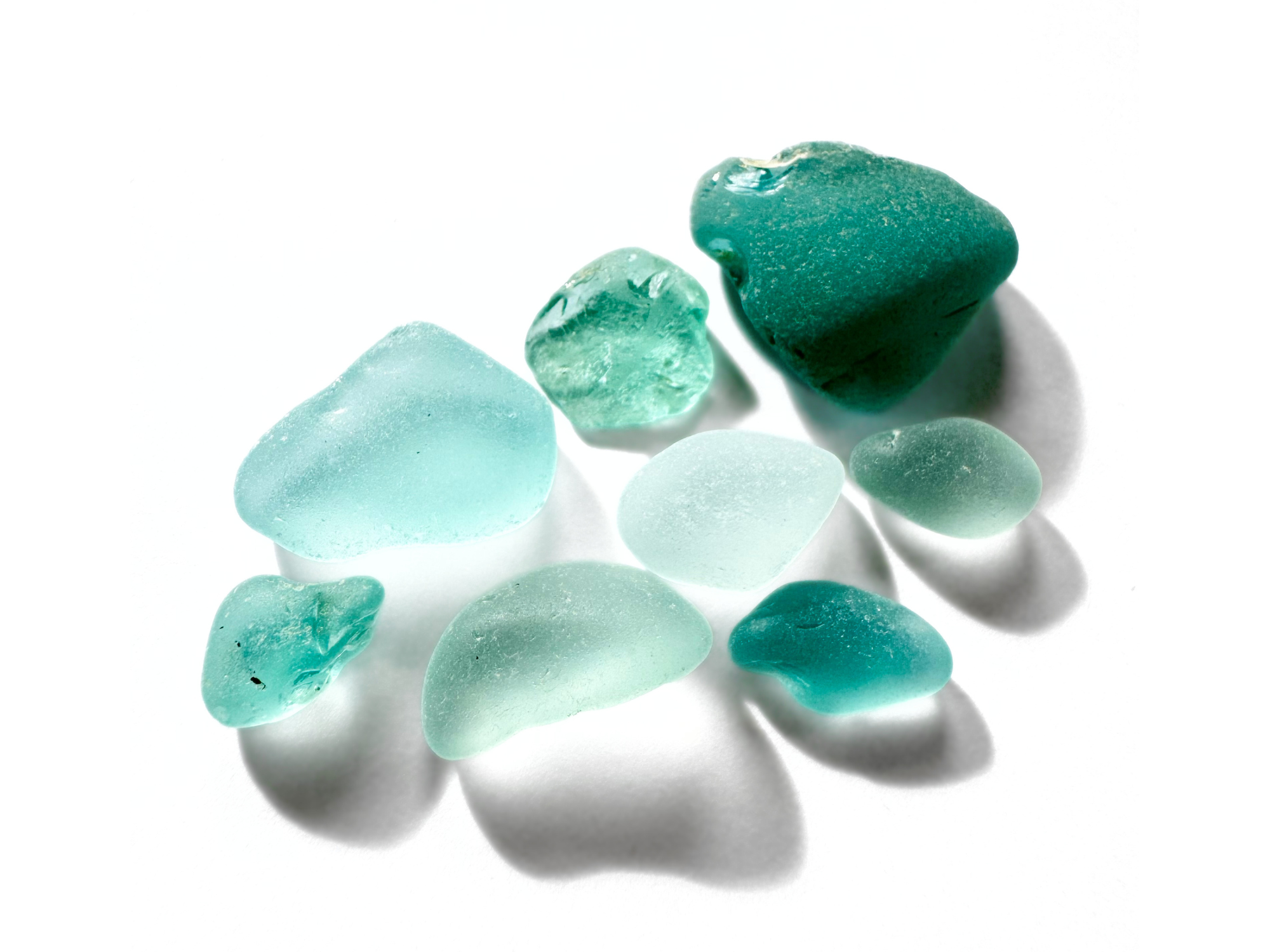
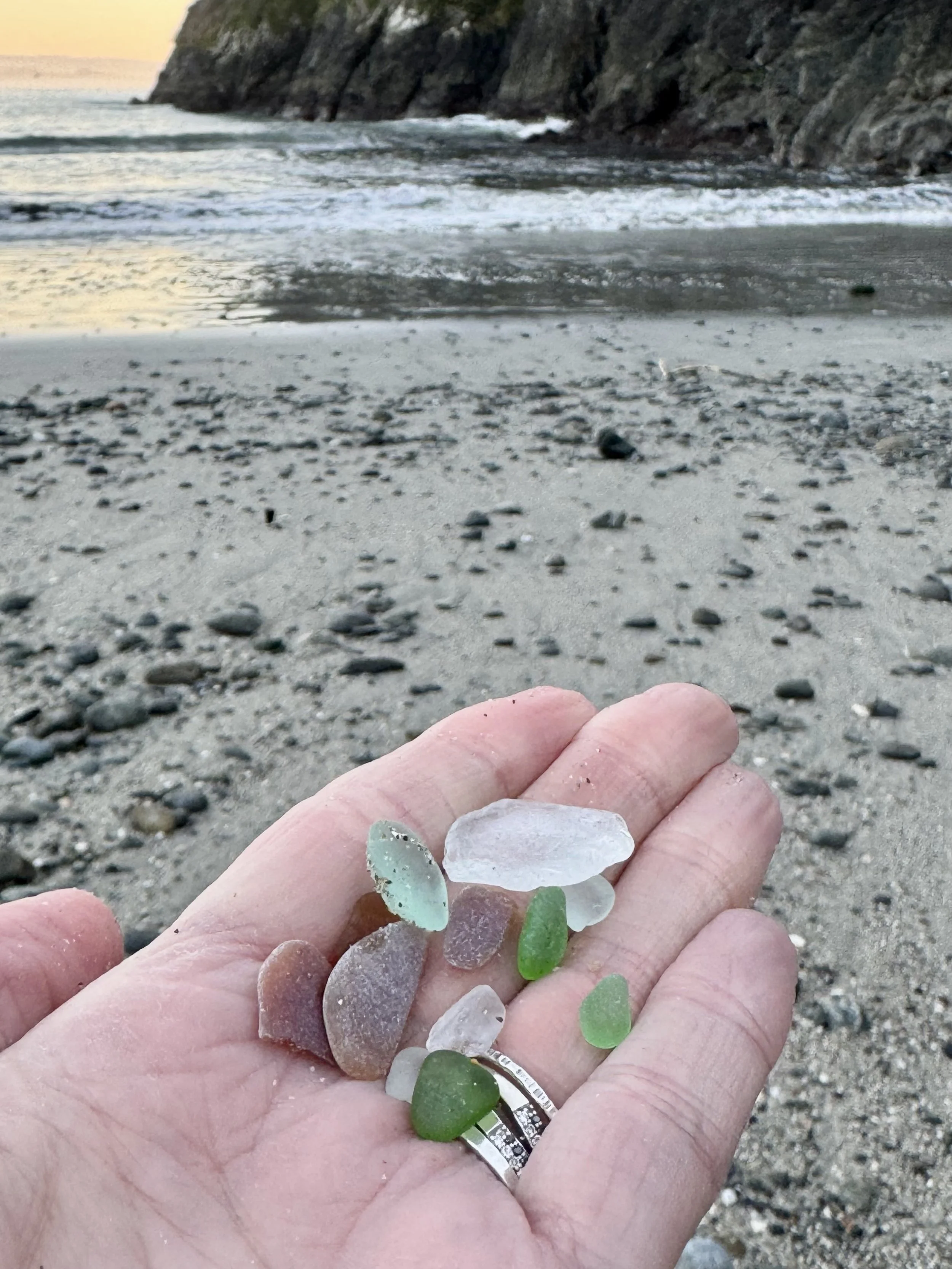
Genuine sea glass comes from discarded glassware that is naturally weathered over time by ocean waves. Its surface develops a frosted patina with small “C”-shaped markings and tiny pitting where sand may collect. It can feature embossed patterns, lettering, and images from the original glassware or be found in distinctive forms such as bottle necks and bottoms. Common colors include green, brown, and white, while rarer shades like blue, purple, and red are highly valued by collectors.

How do I know if it’s real?
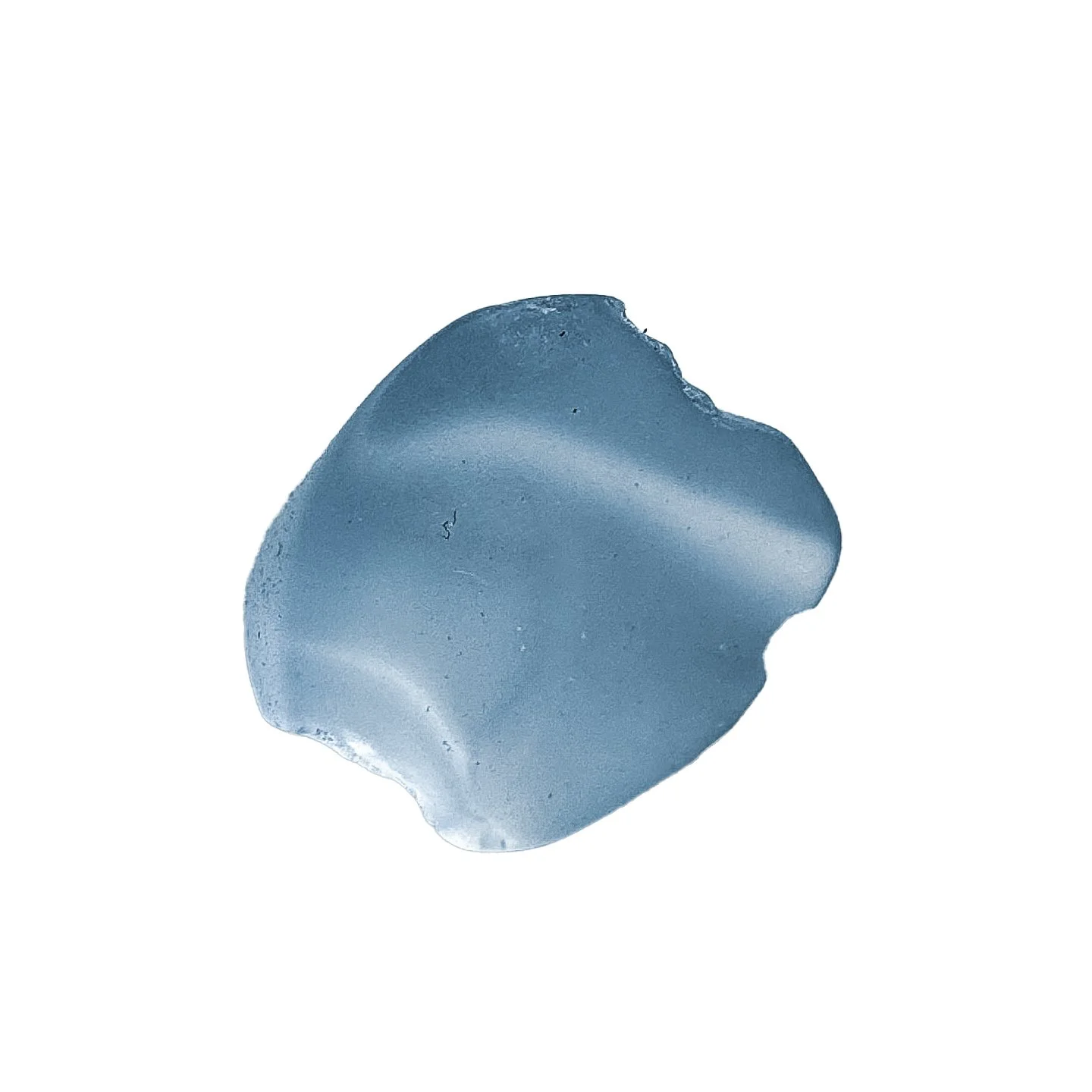
Artificial sea glass, on the other hand, is created through machine tumbling, sandblasting, or chemical etching. It typically has a uniform texture and geometric shapes such as squares, ovals, or triangles. The surface is satiny smooth, lacking the “C”-shaped marks or embossed details found in genuine sea glass. It may also appear in unusual colors and often has sharp, angular, or chunky edges.
Can you spot the difference below?
Tap below each piece to reveal the answer.

-
Genuine
Note the surface cracks, rounded edges, and tiny crevices formed over time.

-
Genuine
Note the frosted patina with small “C”-shaped patterns.
-
Artificial
Note the smooth surface and sharper, more angular edges.
Sea glass FAQs
-
About 95% of the sea glass I use is personally hand-picked by me. Over the years, I’ve also been gifted small amounts and have incorporated clients’ special finds into commissioned pieces.
-
Nope, the ocean does it for me! I never color, cut, or reshape the sea glass, so they’re represented in their original “as-found” form. Plus, each naturally formed shape is what inspires the subjects of my artwork!
-
I never manipulate the sea glass I find. I never paint or dye the sea glass pieces, or paint the paper behind them. The sea glass color is exactly how it’s found, which speaks to the history of the object it once was. I also don’t draw or paint within my compositions and let the sea glass speak for itself.
-
Here are some of my favorites to get you started!